Speyside’s Liquid Gold: Historic Distilleries and Highland Hospitality
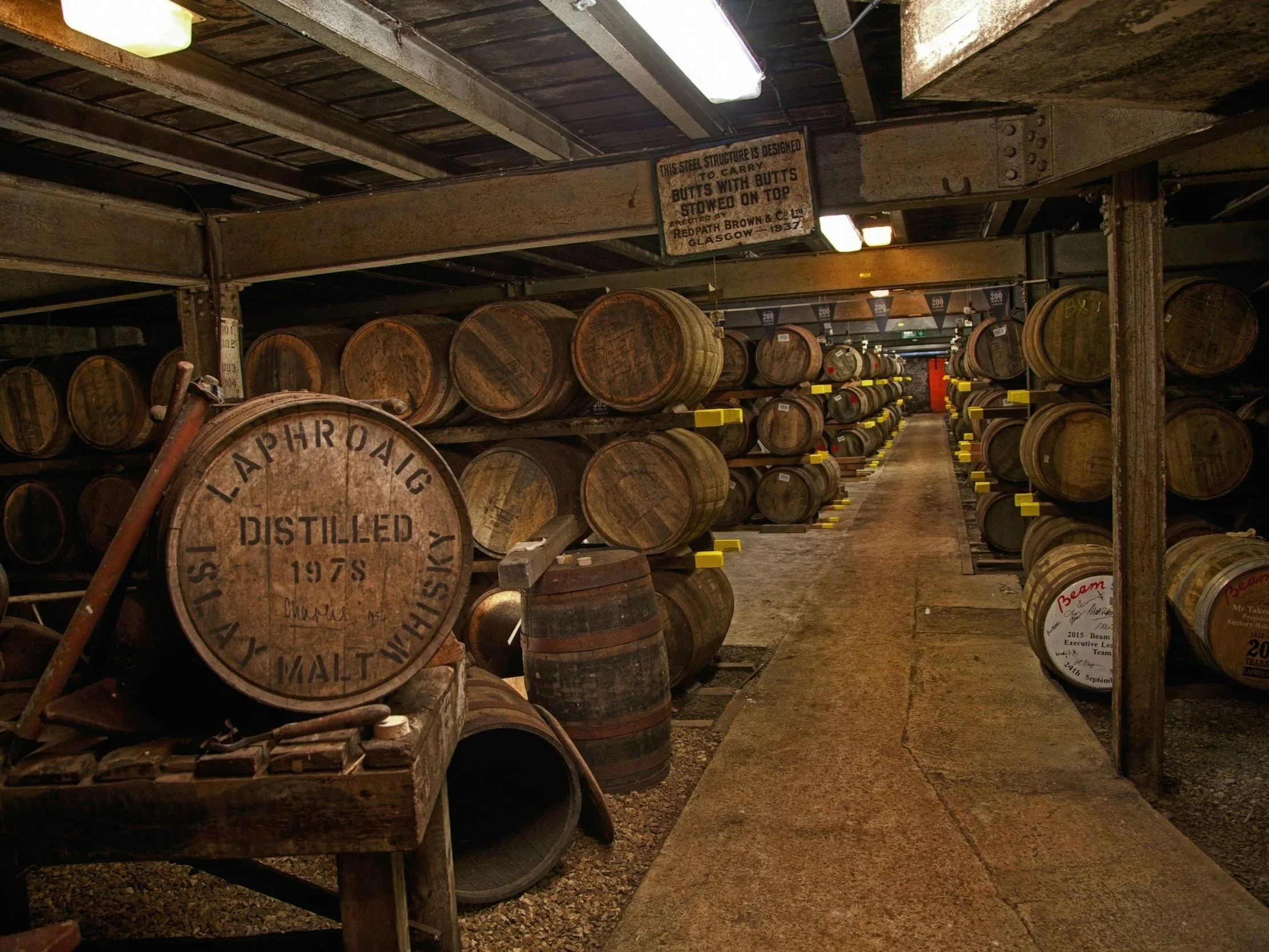
The culture of Speyside whisky is defined by the crystalline waters of the River Spey and a concentration of distilleries that has made this northeast corner of Scotland the undisputed capital of the "Water of Life."
The Enduring Appeal of Speyside Malt
When you enter the "Whisky Triangle" between the Cairngorms and the Moray Coast, you are entering the world’s most prolific distilling region. To understand the local obsession, one must look toward the warehouse walls of Dufftown and Craigellachie. This is a land where the air itself—the "Angel’s Share"—is thick with the scent of evaporating oak and malt. Speyside whiskies are celebrated for their approachable elegance, characterized by honeyed sweetness, floral notes, and the rich, dried-fruit complexity of sherry cask maturation. While other regions may lean into heavy peat and sea salt, Speyside thrives on the perfection of the copper still’s shape and the art of the cooper.
Icons of the Spey: From Architectural Marvels to Living History
To experience the true breadth of Speyside, one must balance the sleek modernity of global icons with the steadfast traditions of historic stills. The Macallan Estate (https://www.themacallan.com/) is a testament to the future of Scotch. Its subterranean, grass-roofed distillery is an architectural masterpiece that mirrors the rolling hills of Easter Elchies. A visit here is a choreographed journey through their "Six Pillars," focusing on their peerless oak casks and the curiously small stills that produce their famously oily, robust spirit.
In nearby Dufftown, Glenfiddich (https://www.glenfiddich.com/) offers a more classic Highland welcome. As one of the few remaining family-owned distilleries, it retains a sense of personal legacy. Just a stone's throw away is its sibling, The Balvenie (https://www.thebalvenie.com/), which is a rare find in the modern era: a distillery that still grows its own barley, utilizes traditional floor maltings, and employs an on-site team of coopers and a coppersmith.
Completing the quartet is Aberlour (https://www.aberlour.com/), nestled at the junction of the Lour and Spey. Known for its heavy sherry influence, a tasting here in the intimate surroundings of the distillery shop offers a masterclass in how European oak transforms a spirit into something deep, spicy, and resonant.
The Speyside Tasting Toolkit
The Cask Influence: Look for "Sherry Oak" for notes of ginger and cinnamon, or "Double Wood" for a balance of honeyed vanilla from American oak followed by the depth of Spanish Oloroso.
The Water: Distillers here are fiercely protective of their springs; the soft, peat-filtered water of the Highlands is the secret to the region's smooth finish.
The "Nose": Before sipping, take time to "nose" the whisky. In Speyside malts, look for the scent of green apples, heather honey, and toasted brioche.
Turnstile Travel enhances these visits by coordinating transport between the rural glens, ensuring you can focus on the nuances of the "new make" spirit without the stress of navigating the narrow Highland roads.
Integrating Local Flavors and Historic Hubs
No whisky pilgrimage is complete without the proper Scottish fare to ground the experience. In the ancient town of Huntly, The Bank Cafe & Restaurant (https://www.thebankrestauranthuntly.com/) is an essential stop. Housed in a beautifully renovated B-listed building that was once the Bank of Scotland, it now serves as a hub for both locally sourced cuisine and rare malts. Their "Clubroom" is a sanctuary for those looking to sample aged expressions from the Duncan Taylor collection alongside a hearty Highland brunch.
For those heading toward the "Lantern of the North," The Drouthy Cobbler (https://thedrouthycobbler.com/) in Elgin is a local institution. Tucked down a medieval close, this contemporary bar and kitchen is named after John Shanks—a legendary 19th-century "thirsty" shoemaker. It is the perfect spot to pair "haggis bites" or local scampi with one of their 100+ single malts, soaking in a vibe that is equal parts historic and hip.
Planning Your Journey with Turnstile Travel
The geography of Speyside can be deceptive; while distilleries look close on a map, the winding roads and varying tour schedules require careful synchronization. Turnstile Travel emphasizes "slow travel," allowing guests to linger over a dram rather than rushing to the next stop. We prioritize access to the smaller, "hidden" warehouses and private tasting rooms that aren't always open to the general public.
Whether you are a collector looking for a rare vintage or a newcomer seeking the perfect entry-level malt, traveling to Speyside is a celebration of craftsmanship. Our itineraries move beyond the visitor center, telling the stories of the families and workers who have turned barley and water into gold for centuries.
If you are looking for more inspiration, check out our other travel recs (https://turnstiletravel.com/other-travel-recs) or see how you can join our network through our affiliate (https://turnstiletravel.com/affiliate) program.
FAQs: Your Speyside Whisky Tour Explained
Did you know? Scotland spells whisky without an “e”, and it’s easy to tell which other countries look to this spelling as a historical nod to Scotland’s whisky-making traditions. Canada, Australia, and Japan!
Is transport included in Turnstile Travel tours? Yes. We provide professional chauffeur service in Mercedes V-Class vans for all our tours. This ensures safety and comfort for our micro-groups.
How large are the tour groups? Turnstile Travel strictly limits groups to 12 guests to ensure an intimate experience at every stop.
What is the "Angel's Share"? This is the roughly 2% of whisky that evaporates from the oak casks each year during maturation—the cost of doing business with the heavens!
Travel With Turnstile Travel (https://turnstiletravel.com/)